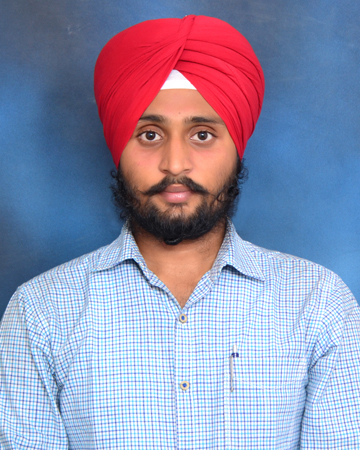
Dr. Manish Kumar

Dr. Manish Kumar

SCIENTIST

Soil & Crop Management

Name and DOB: Manish Kumar, 10.03.1986      

Central Soil Salinity Research Institute (CSSRI),
Indian Council of Agricultural Research
Karnal, Haryana (INDIA) 132 001
E-mail: manish.kumar2@icar.gov.in / manish.rrm@gmail.com
Phone: 9882881558/ 7015094369

Academic qualification

  • Sc. (Forestry)- University of Agricultural Science, Banglore, Karnataka (2010)
  • Sc. (Agroforestry) – G.B. Pant University of Agriculture &Technology, Pantnagar. (2012)
  • Foundation course for agriculture research services (99th FOCARS) held during 1st Jan to 31st March, 2014 at NAARM, Hyderabad.
  • 4- month ‘Certificate Course on Soil & Water Conservation and Watershed Management’ organized during 8/10/2014 to 7/02/2015 by ICAR- IISWC, Dehradun.
  1. Current position and past affiliation(s)
  • 03.2017 to till now – Scientist (Agroforestry) at ICAR- Central Soil Salinity Research Institute, Karnal, Haryana, INDIA.
  • 04.2014 to 28.03.2017- Scientist (Agroforestry) at ICAR – Indian Institute of Soil and Water Conservation (IISWC), Dehradun, Research Centre, Datia (MP), INDIA.
  • 01.2014 to 31.03.2014 – Scientist (Agroforestry) at ICAR- National Academy of Agricultural Research Management (NAARM), Hyderabad.
  1. Priority research areas of interest

Reclamation and productivity enhancement of salt affected soil through agroforestry intervention, Physiological adaptation of trees to saline ecologies, Selection of elite planting material and its evaluation, Bio-drainage, Biomass estimation, Carbon sequestration and Nutrient cycling in agroforestry, Forestry/Agro-forestry for SWC and watershed management.

  1. Research projects (in-house/external) in hands with name of funding agency
  • Evaluation of potential Olive germplasm for salt affected soils. (In-house)
  • Impact of Eucalyptus plantations in waterlogged saline ecologies of Indo-Gangetic plains. (External funded)
  1. Total publications

Research papers in referred journals:

  • Manish Kumar, Dev Narayan, R.S. Yadav, Prabhat Kumar, Rajeev Ranjan, M. Pramanik and 2018. Performance of Aonla with in-situ Moisture Conservation Techniques. Indian Journal of ecology. (Accepted)
  • Manish Kumar, Suresh Kumar, A.R. Uthappa and Shiran kalappurakkal. (2018). Influence of Prosopis cineraria on microclimate conditions under agroforestry system in arid region, India. Indian J. of Agroforestry. 20 (1): 35-39.
  • Manish Kumar and Suresh Kumar. (2018). Sprouting and Survival of Cactus pear as Influenced by Moisture Loss of Cladode in Arid Region, India. Multilogic in Science, 8 (Special issue-A): 15-18.
  • Narayan, D., Prabhat Kumar, Manish Kumar and Yadav, R. S. (2017). Rainwater harvesting practices and resource conservation in agroforestry system in red soils of Bundelkhand. Indian J. of Agroforestry, 19 (2): 34-37.
  • Uthappa, A. R., Chavan S.S, Singh M., Sridhar, K.B., InderDev, Asha Ram, Sathish B.N., Manish Kumar, Dwivedi R.P., Ramesh Singh, Singh R.K., Rajendra Singh, Tewari R.K., Handa A.K. and Chaturvedi, O.P. (2016). Tree diversity in ravines and their rehabilitation through agroforestry interventions in Bundelkhand Region of India. Indian J. of Agroforestry 18(1):77-83.
  • Uthappa A.R, Bana OPS, Manish Kumar and Kanwal M. (2015). Soil physico-bio-chemical properties as influenced by varying tree densities in poplar (Populus deltoids ex Marsh.) based agroforestry system. Indian J. of Agroforestry. 17(1): 81-90.

Book chapters/ Training manuals:

  • Banyal R., Rajkumar, Manish Kumar, Yadav R.K., Dagar J.C. (2017) Agroforestry for Rehabilitation and Sustenance of Saline Ecologies. In: Dagar J., Tewari V. (eds) Agroforestry. Springer, Singapore. Pp 413-454.(org/10.1007/978-981-10-7650-3).
  • Yadav, R.S., Ranjan, R., Manish Kumar and Pramanik, M. (2017) Parameterization and Assessment of Greenhouse Gases in Integrated Farming System. In: Carbon Sequestration and Green House Gases Measurement in IFS Models (eds. Dutta et al., 2017), ICAR-AICRP on Integrated Farming Systems Research, Modipuram, Meerut- 250110, U.P., India, p. 1-186.
  • Ravindra, N., Chavan, S.B., Uthappa A. R., Sridhar, K.B., Manish Kumar and Dhiraj Kumar. (2015). Scope of TBOs promotion through Forest Department. In: Lead Papers, National Workshop on TBOs-Way Ahead, 15-16, October, 2015. pp 97-110.

Popular article:

  • Madal A K, Ashim Datta, Manish Kumar, Singh J, Singh V and Singh R K. 2017. Basmati CSR-30: doubling farmer’s income in sodic soils. ICAR NEWS. 23(4):10-11.
  • राम किशोर फगोडिया, बाबू लाल मीना, कैलाश प्रजापत, राजेश कुमार मीना, अरिजित बर्मन एवं मनीष कुमार. 2017. टिकाऊ कृषि उत्पादन के लिए उचित नाइट्रोजन प्रबंधन। कृषि किरण, वार्षिकांक-9. भाकृअनुप- केन्द्रीय मृदा लवणता अनुसंधान संस्थान, करनाल-132001.
  • ए. के. मंडल, अशीम दत्ता, मनीष कुमार, जोगेंद्र सिंह, विजयाता सिंह और आर. के. सिंह. 2017. बासमती सीएसआर-30: क्षारीय मिट्टी और निम्न गुणवत्ता परिस्थितियों भूजल में किसान की आय दोगुनी करने का अग्रगामी तरीका। लवणता समाचार, 23 (2): 2.

Compendium of Abstracts: 12

  1. Transfer of technology & continuing education

            (Teaching/mentoring activities)

Year  Particulars
2017 10 credit hours: Delivered a lecture on “Advanced technology of agroforestry” in 5 trainings conducted at research centre, Datia containing each for 25 farmers/rural youth of nine villages viz. Nayagaon, sitapur, Maheba, Murera, Chopra, Dang karera, Imaliya, Tiwaripura and Jigna during 6/3/2017 to 10/3/2017.
2016 2 credit hours:  Delivered lectures in one month summer practical training for B. Tech students (Agril. Engg.) organized at ICAR-IISWC, Datia during 1-30 June, 2016 in which 14 students (9 students from CAE, JNKVV, Jabalpur, MP and 5 students from CAET, Godhra, AAU, Gujrat) were participated.
7 credit hour: Practical class and exposure of agroforestry measures for drought prone area at CAFRI, Jhansi in one month summer practical training for B. Tech students (Agril. Engg.), Organized at ICAR-IISWC, Datia during 1-30 June, 2016.
2016 Delivered lectures in two days rabi interface workshop (Krishak-Vaigyanik Paricharcha) organised by ATMA at KVK, Datia during 30-31 Dec., 2016.
2015 6 credit hours: Delivered lectures on (1) Prospect of horticulture/forestry in watershed management and (2) Forest resource survey, Agro-forestry system for watershed, afforestation and pasture development in one month summer practical training on “SWC and Watershed Management” to B. Tech student (Agril. Engg.), organized at IISWC, RC-Datia during June 1- 30, 2015.
2014 Delivered a lecture on “horticulture and afforestation techniques” in sensitization workshop-cum-field day to farmers on 19.09.2014.
  1. Extension (if any)
  • Actively involved in Mera gaon and mera gaurav (MGMG), Swachh Bharat Mission.

Dr. Priyanka Chandra

Dr. Priyanka Chandra

Sr. Scientist (Agricultural Microbiology)

Soil & Crop Management

Name:Priyanka Chandra
ICAR- Central Soil Salinity Research Institute, Karnal, India

  • Qualified Agricultural Research Services and joined ICAR in 2015 and posted at Indian
    Institute of Wheat and Barley Research, Karnal

  • Ph.D. from Department of Microbiology, Guru Nanak Dev University, Amritsar.

  • Rajiv Gandhi National Fellowship granted by University Grant Commission, New Delhi

  • Fellowship awarded by Science and Engineering Research Board (SERB), Department of
    Science and Technology, New Delhi under “Fast Track scheme for Young Scientist”

  • ICAR- NET 2013, and 2014

  • Attended 101st Foundation Course for Agricultural Research Scientists (FOCARS)
    training at National Academy For Agricultural Research And Management (NAARM) Hyderabad from 1st January’ 2015 to 31st March’ 2015.

  • Attended Field Experience Training (FET) at Indian Institute of Pulses Research (IIPR),
    Kanpur

  • Orientation training at Indian Institute of Wheat and Barley Research (IIWBR), Karnal
    from 07.04.2015-08.05.2015.

  • “Isolation, molecular characterization of plant growth promoting rhizobacteria (PGPR) and
    their efficiency on growth of sugarcane” professional attachment training at Plant Physiology and Biochemistry Division, Indian Institute of Sugarcane Research, Lucknow.

  • Post doctoral fellowship for research project titled “Production of antioxidant and antihypertensive bioactive peptides from milk proteins by proteolytic lactobacilli”. Sanctioned by Science and Engineering Research Board (SERB), Department of Science and Technology, New Delhi under “Fast Track scheme for Young Scientist”

Details of papers published in National and International journals

  • Chandra, P. and Arora, D. S. (2009). Antioxidant activity of fungi isolated from soil of
    different areas of Punjab, India. Journal of Applied and Natural Science 1: 123-128.

  • Arora, D. S., and Chandra, P. (2010). Assay of antioxidant potential of two Aspergillus
    isolates by different methods under various physio-chemical conditions. Brazilian Journal of Microbiology 41: 465-477.

  • Arora, D. S. and Chandra, P. (2010). Optimization of antioxidant potential Aspergillus terreus through different statistical approaches. Biotechnology and Applied Biochemistry 57: 77–86.

  • Sharma, R.K., Chandra, P., and Arora, D. S. (2010). Antioxidant properties and nutritional value of wheat straw bioproccessed Phanerocheate chrysosporium and Daedalea flavida. Journal of General and Applied Microbiology 56: 519-523.

  • Arora, D. S., Sharma, R. K., and Chandra, P. (2011). Biodelignification of wheat straw and its effect on in vitro digestibility and antioxidant properties. International Biodeterioration and Biodegradation 65: 352–358

  • Arora, D. S., and Chandra, P. (2011). Antioxidant Activity of Aspergillus fumigatus. ISRN Pharmacology, Article ID 619395, doi:10.5402/2011/619395

  • Arora, D. S. and Chandra, P. (2011). In vitro antioxidant potential of some soil fungi: screening of functional compounds and their purification from Penicillium citrinum. Applied Biochemistry and Biotechnology 165: 639-651

  • Arora, D. S., Chandra, P. and. Kaur, G. (2011). Optimization and assay of antioxidant
    potential of two Penicillium spp. by different procedures. Current Biotechnology, Current Biotechnology 1: 2-10.

  • Kaur A., Singh S., Chandra P., Suri K. A., Ishar M. P. S. (2011). Evaluation of antioxidant potential of stem bark extract of Dalbergia sissoo. Journal of Pharmacy Research 4(9): 3439-3441.

  • Chandra, P. and Arora, D. S. (2011). Antioxidant potential of Penicillium citrinum and
    its optimization through different statistical approaches. Free radicals and antioxidants 1:48-55

  • Chandra, P. and Arora, D. S. (2012). Enhancement of antioxidant potential of Penicillium granulatum Bainier by statistical approaches. ISRN Microbiology, Article ID 452024, DOI:10.5402/2012/452024</p

  • Chandra, P. (2014). Milk -derived Bioactive Peptides. In: Innovative approaches in Stem Cell
    Research, Cancer Biology and Applied Biotechnology (eds A.K. Johri & G.C. Mishra) pp 86-91. Excellent publications.

  • Chandra, P. and Arora, D. S. (2014). Antioxidant potential of fungal isolates assayed
    through various procedures, screening of functional compounds and their purification from Aspergillus terreus. Journal of Microbiology and Biotechnology Research., 4 (3):15-24.

  • Chandra, P. and Arora, D. S. (2014). Antioxidant potential of two strains of Aspergillus wentii isolated from soil of different areas of Punjab, India and its optimization using different statistical approaches. Journal of Microbiology and Biotechnology Research., 4(4):31-41

  • Vij S., Chandra P., and Bachanti P. R. (2014) Antimicrobial Activity of Casein Fermentate of Probiotic Lactobacillus spp. International Journal of Genetic Engineering and Biotechnology. ISSN 0974 3073 Volume 5, Number 2 (2014), pp. 201-208

  • Chandra, P. and Arora, D. S. (2016). Production of Antioxidant Bioactive Phenolic Compounds by Solid-state Fermentation on Agro-residues Using Various Fungi Isolated from Soil. Asian J. Biotechnol.DOI: 10.3923/ajbkr.2016.
  • Chandra, P. (2016). Effect of Lactobacillus on Biological properties: Anticancer, immunomodulatory properties and improvement of bone health. Journal of Microbiology and Biotechnology Research. 2016, 6 (3):17-23

  • Chandra, P. and Arora, D. S (2016) Antioxidant Potential of Penicillium expansum and Purification of its Functional Compound Asian J. Biotechnol . ISSN 1996-0700 DOI: 10.3923/ajbkr.2016.

  • Chandra, P. and Chandra, A. (2016). Elucidation and phylogenetic analysis of 16S rRNA in plant growth promoting Streptomyces sp. isolated from wheat-sugarcane cropping system. Journal in wheat researc

  • Chandra, P. and Arora, D. S (2017). “Antioxidant compounds derived from plants, description and mechanism of phytochemicals “. Journal of Agroecology and Natural Resource Management.vol 4. 55-59

Technical / Popular articles:

  • Subhash Katare, Poonam Jasrotia, Priyanka Chandra, Sudheer Kumar, Saharan. M. S., and Singh, D. P. 2016. Major damaging insect pests of wheat and their management (in Hindi). Souvenir, Improved agriculture-Prosperous farmer, Farmer-Scientist workshop and seed day, 17 October, 2016. IIWBR Karnal. pp.12-13.

  • Poonam Jasrotia, Subhash Katare, Priyanka Chandra, Sudheer Kumar, Saharan. M. S., and Singh, D. P. 2016. Safe storage of grains and seeds (in Hindi). Souvenir, Improved agriculture-Prosperous farmer, Farmer-Scientist workshop and seed day, 17 October, 2016. IIWBR Karnal. pp.36-38.

  • Priyanka Chandra, Subhash Katare, Poonam Jasrotia, Sudheer Kumar, Saharan. M. S., and Singh, D. P. 2016. Method, advantages and precautions to be undertaken in use of bio fertilizers (in Hindi). Souvenir, Improved agriculture-Prosperous farmer, Farmer-Scientist workshop and seed day, 17 October, 2016. IIWBR Karnal. pp.48-49.

  • Singh, P. K., Priyanka Chandra, Anita Meena and Singh, D. P. 2016. Need coated urea: A boon to farmers (in Hindi). Souvenir, Improved agricultureProsperous farmer, Farmer-Scientist workshop and seed day, 17 October, 2016. IIWBR Karnal. pp.53-54.

  • Chandra, P., Singh, P.K. and Singh, D. P. 2016. Krishi Mai Nanotechnology ki Bhumika: Ek Pridrashya (In Hindi). Gehoon Avam Jau Swarnima, 8: 27-28.

  • Jha A., Basher A.A, Meena R.P., Pandey V., Chandra P., Ranjan R., Prajapat K., Chokkar R.S., and Sharma R.K. (2016) Mobile agriculture: kisano tak pahuchne ka sashakt madhyam (In Hindi). Gehoon Avam Jau
    Swarnima, 8: 6-7.

  • Meena A., Verma A., Singh S., Senthil R., and Chandra P. 2016 Kisano ke liye madadgar drone taknik. (In Hindi). Gehoon Avam Jau Swarnima, 8: 121-
    123

  • Singh, P. K., Chandra P., Kumar R., Kumar A., Gill S.2016 mradya swastha card-kisano ke liye behtar hathiyar. (In Hindi). Gehoon Avam Jau Swarnima, 8: 27-28.

Technical bulletins/ Extension cards:

  • Chandra, P., Jasrotia, P., Katare, S., Sudheer Kumar, and Singh, D. P. 2016. Jeevandu Khaad “Azotobacter” Ka Upyog (In Hindi). Extension Card No. 25. ICAR-IIWBR Karnal.

  • Chandra, P., Jasrotia, P., Katare, S., Sudheer Kumar, and Singh, D. P. 2016. Rhizobium Jaiv Urbarak (In Hindi). Extension Card No. 22. ICAR-IIWBR Karnal.

  • Chandra, P., Jasrotia, P., Katare, S., Sudheer Kumar, and Singh, D. P. 2016. Phosporus Gholak Jeevandu (PSB) Ki Upchar Vidhi avam Laabh (In Hindi). Extension Card No. 26. ICAR-IIWBR Karnal.

  • Chandra, P., Jasrotia, P., Katare, S., Sudheer Kumar, and Singh, D. P. 2016. Trichoderma ki Utpadan Vidhi (In Hindi). Extension Card No. 24. ICARIIWBR Karnal.

  • Chandra, P., Jasrotia, P., Katare, S., Sudheer Kumar, and Singh, D. P. 2016. Trichoderma ki Upyog Vidhi (In Hindi). Extension Card No. 23. ICARIIWBR Karnal.

  • Jasrotia, P., Katare, S., Chandra, P., Sudheer Kumar, and Singh, D. P. 2016. Prakash Jaal (Light Trap)/Keeton Ko Pakadne Ka Yantra (In Hindi). Extension Card No. 19. ICAR-IIWBR Karnal.

  • Katare, S., Jasrotia, P., Chandra, P., Sudheer Kumar, and Singh, D. P. 2016. Keetnashakon Ka Surkchhit Prayog (In Hindi). Extension Card No. 21. ICAR-IIWBR Karnal.

  • Katare, S., Jasrotia, P., Chandra, P., Sudheer Kumar, Saharan, M.S. and Singh, D. P. 2016. Kheton mai Chuha Prabhandhan (In Hindi). Extension Card No. 20. ICAR-IIWBR Karnal.

  • A. Kumar, S. Singh, P. Jasrotia, A. Jha, A. Khippal, P. Chandra and Sendhil R., 2017 Compendium on ”Climate Smart Agriculture for Enhancing Food and Nutrition Security” (in Hindi), ICAR-IIWBR Karnal. Pg- 118

Presentations in conferences/symposia/seminar/other forum:

  • Oral presentation on “Prospect of Secondary Metabolites from Fungal Diversity as
    Bioactive Compounds” at Swarna Jayanti National Conference on Biodiversity & Sustainable Utilization of Plant Resources” Krukshetra University, Krukshetra 2017

  • Oral presentation on “In Vitro Antioxidant Potential of Some Soil Fungi: Screening of Functional Compounds and their Purification from Penicillium spp.” at International Conference on Recent Trends in Agriculture, Food Science, Forestry, Horticulture, Aquaculture, Animal Sciences, Biodiversity, Ecological Sciences and Climate Change (AFHABEC-2017)”. Jawaharlal Nehru University, New Delhi

  • Chandra P., Rajita, Singh D. P. Poster presentation on “Jalvayu parivartan, krishi tatha sukshamjeev” (in hindi) at Hindi Pakhwada, Oct 2016 organized at IIWBR

Contribution in compilation/documentation :

  • Saharan, M.S., Singh, D. P., Sudheer Kumar, Katare, S., Jasrotia, P., Chandra, P., and Singh G.P. ACRIP annual report 2015-2016

  • Singh, D. P., Sudheer Kumar, Katare, S., Jasrotia, P., Chandra, P., and Singh G.P 2016. Wheat Crop Health Newsletter, ICAR-IIWBR Karnal, 22 (1): 1-8.

  • Singh, D. P., Sudheer Kumar, Katare, S., Jasrotia, P., Chandra, P., and Singh G.P 2016. Wheat Crop Health Newsletter, ICAR-IIWBR Karnal, 22 (2): 1-10.
  • Singh, D. P., Sudheer Kumar, Katare, S., Jasrotia, P., Chandra, P., and Singh G.P 2017. Wheat Crop Health Newsletter, ICAR-IIWBR Karnal, 22 (3): 1-11.
  • Singh, D. P., Sudheer Kumar, Katare, S., Jasrotia, P., Chandra, P., and Singh G.P 2017. Wheat Crop Health Newsletter, ICAR-IIWBR Karnal, 22 (4): 1-26

E- article:

Abstracts published:

  • Abstract entitled “Antioxidant activity of some soil fungi” published at annual AMI conference, Chennai 2007

  • Abstract entitled “Antioxidant potential of extra cellular culture broth of fungi isolated
    from soil” published at International symposium on microbial biotechnology: diversity, genomics and metagenomics, Delhi 2008

  • Abstract entitled “Antioxidant potential of fungal isolates assayed through various
    procedures, screening of functional compounds and their purification from Penicillium citrinum ” published at International conference on microbial biotechnology for sustainable development, Chandigarh 2011

  • Abstract entitled “Milk -derived Bioactive Peptides” published at World Congress on “Stem Cell Research, Cancer Biology and Applied Biotechnology”(Biotech-2014) Jawaharlal Nehru University, New Delhi 2014.

  • Abstract entitled “Antimicrobial Activity of Casein Fermentate of Probiotic Lactobacillus spp.” published at International Congress on “Agriculture, Food Engineering and Environmental Sciences- Sustainable Approaches”(AFEESSA- 2014) Jawaharlal Nehru University, New Delhi March, 2014.

  • Abstract entitled “Plant growth promoting attributes of Bacillus spp. and its potential to improve physiological characteristics of plants” published at ” International Symposium on Plant Biotechnology for Crop Improvement (ISPBCI), IIT, Guwahati. 2017

  • Chandra, P. and Arora D.S. Prospect of Secondary Metabolites from Fungal Diversity as Bioactive Compounds” Swarna Jayanti National Conference on Biodiversity & Sustainable Utilization of Plant Resources” Krukshetra University, Krukshetra 2017

Membership:

  • Life time member of Medicinal and Aromatic Plants Association of India

  • Life time member of Society of Wheat Advancement and Research

Dr. Ram Kishor Fagodiya

Dr. Ram Kishor Fagodiya

SENIOR SCIENTIST(Environmental Science)

Soil &amp; Crop Management

Personal Information

Name: Ram Kishor Fagodiya, Ph.D.
Designation: Senior Scientist (Environmental Sciences)
Division of Soil and Crop Management, ICAR-Central Soil Salinity Research Institute, Karnal – 132 001 (Haryana), India
Contact No.: +91 9311127020
E-mails: ram.iari4874@gmail.com; Ram.Fagodiya@icar.org.in

Academic/Education detail

Degree Specialization University/Institution OGPA Year
Ph.D. (Env. Sciences) IARI, New Delhi 8.46/10 2017
M.Sc. (Env. Sciences) IARI, New Delhi 8.58/10 2011
B.Sc. (Agriculture) Dr. BSKKV, Dapoli, Maharashtra 8.29/10 2009

Current research area

Conservation agriculture, Climate smart agriculture, Carbon-water-energy-nutrient budgeting, Carbon sequestration, GHG inventory, in various agroecosystems.

Aawards, fellowships, recognition

  • NESA Eminent Scientist Award
  • FSRDA Young Scientist Award
  • SSCE Young Scientist Award
  • Best oral/presentation awards (7)
  • DST Inspire 2012, UGC JRF 2012, CSRI JRF 2011, ICAR JRF 2009, ICAR NTS 2005
  • Associated Editor JSSWQ, Editorial board member JEES

Publications

Publication Numbers
Research papers ˃ 40
Review articles ˃ 15
Books 3
Book chapters 15
Popular articles ˃25
Technological bulletins/manual 5

 Best 10 research papers

  1. Fagodiya, R.K.*, Pathak, H., Bhatia, A., Jain, N., Kumar, A., and Malyan, S.K., 2020. Global warming impacts of nitrogen use in agriculture: an assessment for India since 1960. Carbon Manag., 11(3): 291–301.
  2. Fagodiya, R.K.*, Singh, A., Singh, R., Rani, S., Kumar, S., Rai, A.K., Sheoran, P., Chandra, P., Yadav, R.K., Sharma, P.C., and Biswas, A.K., 2023. The food-energy-water-carbon nexus of the rice-wheat production system in the western Indo-Gangetic Plain of India: an impact of irrigation system, conservational tillage and residue management. Sci. Total Environ., 860: 160428.
  3. Fagodiya, R.K.*, Verma, K., Sharma, G., Rai, A.K., Prajapat, K., Singh, R., Sheoran, P., Basak, N., Chandra, P., Sharma, D.P., Yadav, R.K., and Biswas, A.K., 2025. Assessing the soil organic carbon stability and greenhouse gases mitigation in rice-wheat system: seventeen-years assessment of tillage and residue management. Soil Tillage Res., 254: 106697.
  4. Fagodiya, R.K.*, Pathak, H., Kumar, A., Bhatia, A., and Jain, N., 2017. Global temperature change potential of nitrogen use in agriculture: a 50-year assessment. Sci. Rep., 7: 44928.
  5. Fagodiya, R.K.*, Sharma, G., Verma, K., Rai, A.K., Prajapat, K., Singh, R., Chandra, P., Sheoran, P., Yadav, R.K., and Biswas, A.K., 2024. Computation of soil quality index after fifteen years of long-term tillage and residue management experiment (LT&RE) under rice-wheat system. Agricultural Systems, 219: 104039.
  6. Fagodiya, R.K.*, Sharma, G., Verma, K., Singh, A., Singh, R., Sheoran, P., Rai, A.K., Prajapat, K., Kumar, S., Chandra, P., and Rani, S., 2024. Fourteen-years impact of crop establishment, tillage and residue management on carbon input, soil carbon sequestration, crop productivity and profitability of rice-wheat system. European Journal of Agronomy, 161: 127324.
  7. Mukhopadhyay, R., Fagodiya, R.K.*, Narjary, B., Barman, A., Prajapat, K., Kumar, S., Bundela, D.S., and Sharma, P.C., 2023. Restoring soil quality and carbon sequestration potential of waterlogged saline land using subsurface drainage technology to achieve land degradation neutrality in India. Sci. Total Environ., 885: 163959.
  8. Pathak, H., Fagodiya, R.K.*, and Singh, A., 2024. Nitrogen, phosphorus and potassium budget in crop production in South Asia: regional and country trends during the last five decades. Sci. Rep., 14: 29136.
  9. Singh, R., Singh, A., Sheoran, P., Fagodiya, R.K.*, Rai, A.K., Chandra, P., Rani, S., Yadav, R.K., and Sharma, P.C., 2022. Energy efficiency and carbon footprints of rice-wheat system under long-term tillage and residue management practices in western Indo-Gangetic Plains in India. Energy, 244: 122655.
  10. Wakchaure, G.C., Minhas, P.S., Biswas, A.K., Meena, K.K., Pradhan, A., Gawhale, B.J., Choudhary, R.L., Kumar, S., Fagodiya, R.K., Reddy, K.S., and Pathak, H., 2025. Assessment of gains in productivity and water-energy-carbon nexus with tillage, trash retention and fertigation practices in drip irrigated sugarcane. Renew. Sustain. Energy Rev., 211: 115294.

Dr. Banyal Rakesh

Dr. Banyal Rakesh

Principal Scientist (Agroforestry)

Soil &amp; Crop Management

  • BANYAL Rakesh 18-10-1973

Central Soil Salinity Research Institute (CSSRI), Indian Council of Agricultural
Research Karnal, Haryana (INDIA) 132 001
E-mail:rakesh.banyal@icar.gov.in/drbanyal08@gmail.com
Phone: 9467883865
Google scholar:https://scholar.google.co.in/citations?hl=en&user=4jCgQEQAAAAJ

  • Academic qualification: Ph.D. (Forestry)
  • Current position and past affiliation(s):
  • 2015 Senior Scientist (Agroforestry) Central Soil Salinity Research Institute (CSSRI), Indian Council of Agricultural Research (icar.org.in), Karnal, Haryana, INDIA.
  • 2014-15 Associate Professor-cum-Senior Scientist (Forestry) Faculty of Forestry, Sher-e-Kashmir University of Agricultural Sciences & Technology of Kashmir, Benhama Watlaar, Ganderbal, Jammu & Kashmir (INDIA)-193 201 (skuastkashmir.ac.in).
  • 2005-2013 Assistant Professor-cum-Scientist (Forestry) Faculty of Forestry, Sher-e-Kashmir University of Agricultural Sciences & Technology of Kashmir, Benhama Watlaar, Ganderbal, Jammu & Kashmir (INDIA)-193 201 (skuastkashmir.ac.in).
  • 2001-2005 Research Scientist (Forestry) National Afforestation Eco-development Board, Ministry of Environment, Forests & Climate Change, Govt. of India, YS Parmar University of Horticulture & Forestry, Nauni, Solan, Himachal Pradesh (INDIA)-173 230 (www.yspuniversity.ac.in /www.envifor.nic.in)
  • Priority research areas of interest:
  • Management of salt affected soils through agroforestry approaches,
  • Predictive allometric models for biomass and carbon stock assessment,
  • Screening and evaluation of promising germplasm of agroforestry tree species suited to salt affected soils
  • Impact assessment of Eucalyptus plantations on waterlogged saline ecologies and alternatives to Eucalyptus for waterlogged saline soils,
  • Screening and identification of improved salt tolerant tree genotypes
  • Research projects (in-house/external) in hands with name of funding agency
  • Enhancing productivity potential of saline soil through agroforestry systems using saline irrigation (2015-2019) funded by ICAR-CSSRI, Karnal. Principal Investigator
  • Impact of Eucalyptus plantations on waterlogged saline ecologies in Indo-Gangetic plains (2017-18) funded by Haryana State Forest Department, Govt of Haryana, Principal Investigator
  • National Innovation in Climate Resilient Agriculture (NICRA) funded by ICAR. Co-Principal Investigator
  • Intellectual property management transfer/commercialization of agricultural technologies, funded by ICAR. Co-Principal Investigator

Total publications: 123 (Research papers in referred journals: 44, research papers published in    proceedings of workshops/symposium/conferences/compendiums: 07, book chapters: 07,   popular articles: 04, practical manuals: 03, training compendium; 02, planning document           and workshop proceedings: 04, extension      pamphlets:01, books:01, paper           presented in seminars, workshops, symposia, conference: 50 (15 international, 35   national))

  • Transfer of technology & continuing education (Teaching/mentoring activities)
  • Mentored three Ph.D. and two M.Sc. (Forestry students) in SKUAST-Kashmir
  • Extension (if any): Associated in MGMG program and resource person to Haryana State Forest department
  • Patents, Technology, Methodology, Genetic Stock, Variety, etc.
  • Significant contributions relating to the relevant field of specialization

            Research

  • Developed Eucalyptus tereticornis and Melia composita based farming system to saline soils
  • Standardized the seed collection time of conifer spp., developed the Clonal forestry technology with conifers, developed the SRC (Short rotation culture) with willow spp. suited to temperate zone, developed the technology to use the sewage for the production of fodder in the sub-tropical zone, production of QPM of forest tree spp., developed the forest biometrics techniques for the quantification of the forest resource, establish the causes of large scale mortality of Kikar and Shisham in Punjab, standardized the pre-sowing treatment of Chilgoza pine (Pius gerardiana), devise the afforestation technology for problematic sites in temperate region, screening of female cultivar of Salix alba caerulea for the production of cricket bat in Kashmir province

Teaching

  • Designed UG & PG courses curricula of forestry discipline as member of board of studies of agriculture and forestry faculties at SKUAST-Kashmir, Shalimar, Srinagar (Jammu & Kashmir)

Extension (if any)

Dr. Awtar Singh

Dr. Awtar Singh

Scientist (Soil Science)

Soil &amp; Crop Management

  1. Dr. Awtar Singh Ph.D. and DOB:12.07.1991
Central Soil Salinity Research Institute (CSSRI), Indian Council of Agricultural Research

Karnal, Haryana (INDIA) 132 001

E-mail: awtar.singh1@icar.gov.in; singhawtar91@gmail.com

Homepage: www.cssri.res.in

Phone: 7027582520; 9839582520

________________________________________________________________________

 Academic qualification

Degree Specialization OGPA University
B.Sc. Agriculture 8.37/10 CSAUAT, Kanpur
M.Sc. Soil Science & Agril. Chemistry 8.85/10 BHU, VARANASI
Ph.D. Soil Science & Agril. Chemistry 8.35/10 BHU, VARANASI

 Current position and past affiliation(s)

S. No. Position Name of the Institute From To
1. Scientist ICAR-Central Soil Salinity Research Institute, Karnal 07.04.2016 Till date
2. Scientist ICAR- National Academy of Agricultural Research Management, Hyderabad 01.01.2016 31.03.2016


  1. Priority research areas of interest: Soil Chemistry/Fertility/Microbiology
  1. Research projects (in-house/external) in hands with name of funding agency

Isolation, identification and assessment of salt tolerant zinc solubilising bacteria for enhancing  availability and use efficiency of zinc in salt affected soils    (NRMACSSRISIL201700100925). (Awtar Singh, R.K. Yadav, A.K. Rai and Madhu Choudhary). (In-house) 

  1. Total Publication 

Publications

  1. PS Minhas, A Bali, AK Bhardwaj, Awtar Singh, RK Yadav (2021) Structural stability and hydraulic characteristics of soils irrigated for two decades with waters having residual alkalinity and its neutralization with gypsum and sulfuric acid. Agricultural Water Management 244 (2021) 106609. https://doi.org/10.1016/j.agwat.2020.106609.
  2. A Bali, Awtar Singh, PS Minhas and RK Yadav (2020). Response of paddy (Oryza sativa) to exogenous application of bio-regulators in soils irrigated with alkali groundwater. Indian Journal of Agricultural Sciences 90 (9): 1670–2, 2020/Article.
  3. P Chandra, P Dhuli, P Verma, Awtar Singh, M Choudhary, K Prajapat, AK Rai, and RK Yadav (2020) Culturable microbial diversity in the rhizosphere of different biotypes under variable salinity. Tropical Ecology 61, 291–300. https://doi.org/10.1007/s42965-020-00089-3.
  4. A Bali, Awtar Singh, PS Minhas and RK Yadav (2020) Effect of plant bioregulators and their combinations on growth and yield of wheat under sodicity stress induced by alkali water irrigation. Journal of Soil Salinity and Water Quality 12(1), 45-49.
  5. Awtar Singh, AP Singh and TJ Purakayastha (2019). Characterization of biochar and their influence on microbial activities and potassium availability in an acid soil. Archives of Agronomy and Soil Science, 65:9, 1302-1315. DOI: 10.1080/03650340.2018.1563291.
  6. Awtar Singh and AP Singh (2017). Residual effect of biochars and their feedstock on growth and yield of green gram in acid soils. Journal of Pharmacognosy and Phytochemistry, 6 (6): 294-302.
  7. Akankasha Ankita Ekka, Dileep Kumar, AP Singh and Awtar Singh (2017). Variation in physico-chemical properties of soil under different agri-horti system in Vindhyan region. Journal of Applied and Natural Science, 9 (2): 1187 – 1193.
  8. Arghya Chattopadhyay, AP Singh, Awtar Singh and Ajoy Das (2017). Influence of biochar, phosphorus and mycorrhiza on nutrient content of baby corn (Zea mays). Agriculture Update, 12 (6): 1641-1645.
  9. Arghya Chattopadhyay, AP Singh, Sumit Rai, Awtar Singh and Ajoy Das (2017). Improving acquisition of phosphorus and other nutrient elements by baby corn (zea mays l.) through the combine use of biochar, phosphorus and arbuscular mycorrhiza. International Journal of Current Microbiology and Applied Sciences, 6(11): 1319-1326.
  10. Awtar Singh, AP Singh, SK Singh, S Rai and D Kumar (2016). Impact of addition of biochar along with PGPR on rice yield, availability of nutrients and their uptake in alluvial soil. Journal of Pure and Applied Microbiology 10(3): 2181-2188.

Technical/popular articles

  1. प्रियंका चंद्रा, अवतार सिंह, कैलाश प्रजापत, मधु चौधरी, पूजा वर्मा, एवं आर के यादव (2019-2020), पौधों में वृद्धि तथा लवण सहनशीलता बढ़ाने के लिये माईकोराइजा की भूमिका, कृषि किरण, वर्षांक 12: 74-76
  2. अवतार सिंह, प्रियंका चंद्रा, मधु चौधरी, राजेन्द्र कुमार यादव, अराधना बाली एवं विजयता सिंह (2018-2019), क्षारीय भूमि के लिए मृदा सुधारकों का उचित उपयोग, कृषि किरण, वर्षांक 11:10-13
  3. भारती, अवतार सिंह, प्रियंका चंद्रा, मधु चौधरी एवं आर के यादव (10  अक्टूबर, 2017) पादप वृद्धि संवर्धक जीवाणु : फसल एवं मृदाके लिए स्वास्थपरक विकल्प,  स्मारिका बीज दिवस एवं रबी कार्यशाला भाकृअनुप- भारतीय गेहूं एवं जौ अनुसंधान संस्थान, करनाल-132001, हरियाणा
  4. प्रियंका चंद्रा, रिंकी, कैलाश प्रजापत, वनिता पाण्डेय, मधु चौधरी, अवतार सिंह, पारुल सुंधा, एवं आर के यादव (2016-17), जलवायु परिवर्तन के परिदृश्य में जीवाणु खाद की भूमिका, कृषि किरण, वर्षांक 9: 80-85
  5. Awtar Singh, Singh A.P., Singh V., Barman A., Sagar Vibhute and Tolia R.S. 2016. Biochar for Soil Health Enhancement and Crop Productivity Improvement. Innovative Farming 1(4): 137-140.
  6. Vijayata Singh, Jogendra Singh, Awtar Singh, Arijit Barman, Sagar Vibhute and R.S. Tolia. (2017), Genetic erosion: a threat to biodiversity depletion. Innovative Farming 2(1): 63-65.
  7. Vijayata Singh, J Singh, S.K. Kakraliya, Arijit Barman, Awtar Singh and Manish Suthar (2019) Agricultural Biodiversity: Indispensable for Sustainble Agriculture and Food Security. Popular Kheti, 7(2): 38-41.
  8. Sagar D. Vibhute, Aslam L. Pathan, Awtar Singh, Vijayata Singh and Arijit Barman (2019) Denitrifying Bioreactors for Reducing Nitrate Loads from Subsurface Drainage System. Indian Farmer, 6(12): 891-895.

Success story

  1. Ranjay K Singh, RK Yadav, S Kumar, A Singh, A Kumar and Awtar Singh (2018). Co-adaptive strategies to manage sodicity and climate risks: Lessons for policy intervention.
  2. Awtar Singh, A Kumar, S Kumar, RK Yadav and Ranjay K Singh (2019). Managing heavy texured sodic soils through gypsum application and ‘CSR-36’ rice cultivation. pp 13-15. In: Singh RK, Singh Anshuman and Sharma PC, editors. Successful adaptations in salt affected agroecosystems of India. ICAR-CSSRI, Karnal 132001, Haryana, India 

Book Chapter 

  1. JC Dagar, RK Yadav, Awtar Singh, NT Singh (2019). Historical Perspectives and Dynamics of Nature, Extent, Classification and Management of Salt-affected Soils and Waters. p 3-52. In: JC Dagar, RK Yadav, PC Sharma, editors. Research Developments in Saline Agriculture. Springer, Singapore.
  2. R K Yadav, Awtar Singh, NT Singh (2021). Historic Evidences on Occurrence and Management of Salt-affected Soils. In: PS Minhas, RK Yadav, PC Sharma, editors. Resilient Agriculture in Salinity Affected Soils, ICAR-CSSRI, Karnal. (Accepted)

Technical/extension bulletin

  1. HS Jat, J Singh, RK Yadav, A Kumar, Rajkumar, N Bhaskar, A Datta, Awtar Singh, R Mukhopadhyay, K Prajapat, RK Fagodia, Gajender Yadav, PC Sharma (2019). Good Agriculture Practices (GAP) for Salt Affected Soils. ICAR-CSSRI/Karnal/Technical Bulletin/2019/07. ICAR-Centrail Soil Salinity Research Institute, Karnal. (pp 60).


Dr. Raj Kumar

Dr. Raj Kumar

Senior Scientist (SS) Agroforestry

Soil &amp; Crop Management

  • Name: Raj Kumar

DOB:_01-12-1983_

Central Soil Salinity Research Institute (CSSRI), Indian Council of Agricultural Research

Karnal, Haryana (INDIA) 132 001

E-mail:rajcswcrti@gmail.com

Homepage: www.cssri.org

Phone: 09429665628

  1. Academic qualification: Ph.D
  2. Current position: Senior Scientist

Past affiliation(s)

Sr. no Institute From To
1 ICAR-National Academy for Agriculture Research and Management, Hyderabad, India 11-05-2010 16-09-2010
2. ICAR-Indian Institute of Soil and Water Conservation, Dehradun, Uttarakhand, India. 17-09-2010 31-12-2013
3. ICAR-Indian Institute of Soil and Water Conservation, Research center, Vasad, Anand, Gujarat, India. 01-01-2014 15-07-2017
4. ICAR-Central Soil Salinity Research Institute, Karnal, India. 16-07-2017 Cont.
  1. Priority research areas of interest:
  • Ecological engineering and restorationof degraded lands
  • Identifying elite planting material for degraded lands
  • Developing climate resilient agroforestryfor degraded lands
  1. Research projects (in-house/external) in hands with name of funding agency
Sr. no. Project title Funding agency
Project handled
1 Enhancing Productivity of ravine land by plantation of Sapota (Achraszapota L.) with inter cropping system (PI). ICAR-IISWC (Institute funded)
2 Development and characterization of quality planting material of important MPTs for degraded lands of North-West Himalayas (PI). ICAR-IISWC (Institute funded)
3 Devising economic frame work for ecosystem services payment and farmers’ livelihood in Mahi and Chambal ravine ecosystems (Co-PI). ICAR- funded
4 Resource utilization and productivity of Dragon fruit based Horti-silviculture system under rainfed agro eco-systems of Central Gujarat (Co-PI). ICAR-IISWC (Institute funded)
5 Assessing farmers’ knowledge, vulnerability and adapting capacity of soil and water conservation technologies under changing climatic scenario (Co-PI). ICAR-IISWC (Institute funded)
6 Impact of land use changes on surface hydrology in Doon valley through remote sensing and GIS approach (Co- PI). ICAR-IISWC (Institute funded)
7 Evaluation of hydrologic behavior and production potential of recommended land use systems/practices under different agro ecological regions of India (Co-PI). ICAR-IISWC (Institute funded)
Ongoing projects
8 Improvement of Meliadubia for salt tolerance through selection approach. ICAR-CSSRI (Institute funded)
9 Enhancing productivity potential of saline soils through agroforestry interventions. ICAR-CSSRI (Institute funded)
  1. Publications

Research papers

  1. Mehta H, Kumar R, Dar MA, et al. 2018. Effect of geojute technique on density, diversity and carbon stock of plant species in landslide site of North West Himalaya. Journal of Mountain Science 15(9). 1961-1971
  2. Kumar R, Shamet GS, Mehta H, Alam NM, Kaushal R, Chaturvedi OP, Sharma N, Khaki BA and Gupta D. 2016. Regeneration complexities of Pinusgerardiana in dry temperate forests of Indian Himalaya. Environment Science and Pollution Research, 23(8): 7732-7743.
  3. Kumar R, Shamet G S, Alam NM and Jana C. 2016. Influence of growing medium and seed size on germination and seedling growth of Pinusgerardiana. Compost Science and Utilization. 24 (2): 94-104
  4. Sanwal C S, Kumar R and Bhardwaj S. D. 2016. Growth and yield of Solanumkhasianum in Pinusroxburghii forest based silvi-medicinal system in mid hills of Indian Himalaya. Forest Ecosystems, 3 (19):1-9
  5. Sanwal C S, Kumar R, Dobhal S, Kerkatta S and Bhardwaj S. D. 2017. Production and conservation of medicinal plants in understorey of degraded Chir pine forests using sustainable technique. Current Science 112 (12): 1-6
  6. Kaushal R, Verma A,  Mehta H,  Mandal D,  Tomar JMS,  Jana C,  Kumar R,  Jayparkash J and  Chaturvedi O P.  Soil quality under Grewiaoptiva based agroforestry systems in western sub-Himalaya. Range Mgmt. & Agroforestry 37 (1) : 50-55
  7. Kumar R, Shamet G S., Mehta H, Alam M,Tomar J M.S, Chaturvedi O P and Khajuria N. 2014. Influence of gibberellic acid and temperature on seed germination in Chilgoza pine (Pinusgerardiana). Indian Journal of Plant Physiology, 19 (4): 363-367.
  8. Mehta H, Dar M A, Kumar R and Chaturvedi O P. 2014. Agricultural Patent Analysis during 2005-2012 in India. J. of Intellectual Property Management, 2014, 7(1/2):15 – 32
  9. Kumar S, Raizada A, Bishwas H. and Kumar R. 2014. Technical efficiency of fenugreek production in the semi-arid region of Rajsthan, India: A stochastic frontier approach. African Journal of Agriculture Research, 9(46):3411-3417.
  10. Sanwal C S, Kumar R and Bhardwaj S. D. 2016. Integration of Andrographispaniculata as Potential Medicinal Plant in Chir Pine (Pinusroxburghii) Plantation of North-Western Himalaya. Scientifica.Volume 2016, Article ID 2049532, 7p.

Book chapters

  1. Raj Kumar, J. Jayaprakash, J.M.S Tomar, O.P.Chaturvedi, Charan Singh and A.C.Rathore (2013) Fodder Production from Agroforestry Trees, In: Agroforestry: Theory and Practices (eds) Antony Joseph Raj and S.B. Lal, Scientific Publishers, India.
  2. Kaushal, Raj Kumar, J.M.S. Tomar and O.P. Chaturvedi. (2013) Alley Cropping System, In: Agroforestry: Theory and Practices (eds) Antony Joseph Raj and S.B. Lal, Scientific Publishers, India.
  3. Jayaprakash, Raj Kumar and A.C.Rathore (2012) Forest nursery technology, In: Forestry principles and applications (eds) Antony Joseph Raj and S.B. Lal, Scientific Publishers, India
  4. Banyal R., Raj Kumar, Kumar M., Yadav R.K., Dagar J.C. (2017) Agroforestry for Rehabilitation and Sustenance of Saline Ecologies. In: Dagar J., Tewari V. (eds) Agroforestry. Springer, Singapore.

Books

  1. M.S Tomar, A.C Rathore, Rajesh Kaushal, Raj Kumar, J.Jayaprakash, H. Mehta and O.P. Chaturvedi. Agro forestry: A research manual. BISHEN SINGH MAHENDER PAL SINGH, Publisher and distributor of scientific books-Dehradun, India,  (120 pages)
  2. Charan Singh, Harsh Mehta, J.M.S. Tomar, A.C. Rathore, R. Kaushal, J. Jayprakash, VibhaSinghal, Raj Kumar, V.K. Dwivedi (2017). Conservation Forestry and Horticulture.  ICAR-IISWC, Dehradun. P 364, ISSN No. 976-81-924624-1-7.
  3. Patents, Technology, Methodology, Genetic Stock, Variety, etc.
  4. Developed Process: Standardization of pre-treatments of Chilgoza pine (Pinusgerardiana Wall.) seeds for enhancing germinability; 2. Technology developed: Management of degraded bouldery riverbed land through Paulownia based Silvipasture system; 3. Identified concept: Impact of anthropogenic disturbances on phytosociology, stand Characteristics and regeneration status of chilgoza pine (Pinusgerardiana Wall.); 4. Identified concept: Pinusgerardiana for agroforestry systems: an opportunity for rural development; 6. Participatory technology Development: Performance of high yielding provenances of bhimal (Grewiaoptiva) along with field crops in North West Himalayas; 7. Developed tree biomass equations for ravines; 8. Developed concept and methodology for computing soil erosion impact on Sapotagrowth;9. Developed the methodology of climate change impact assessment in agroforestry; 10. Developed Technology: Geojute for rehabilitation of landslide areas in Himalaya.
  1. Significant contributions relating to the relevant field of specialization
  • Assessed the effectiveness of bioengineering measures in soil and water conservation.
  • Identified Celtisaustralisgermplasm for degraded lands
  • Developed Sapota based agroforestry model for climate change mitigation.

Dr. Ashim Datta

Dr. Ashim Datta

SCIENTIST (Soil Chemistry/fertility/microbiology)

Soil &amp; Crop Management

Name and DOB:_Ashim Datta, 26/02/1985
Central Soil Salinity Research Institute (CSSRI), Indian Council of Agricultural Research
Karnal, Haryana (INDIA) 132 001
E-mail: ashimdatta2007@gmail.com
Google Scholar:https://scholar.google.co.in/citations?user=qSM8ZoIAAAAJ&hl=en
Phone: +919466413634, +917015184658
2. Academic qualification: Ph.D.
3. Current position and past affiliation(s): Scientist (Senior Scale)
4. Priority research areas of interest:
 Conservation agriculture and soil properties
 Land use effects on soil properties of salt affected soils
 Climate Smart Agriculture
 Carbon sequestration in soil
5. Research projects (in-house/external) in hands with name of funding agency
1. Dynamics of Nitrogen and Organic matter fractions in Soils under Long-Term Conservation
Agriculture in reclaimed sodic soil (Institute funded)(as PI)
2. Climate Change, Agriculture and Food Security (CCAFS)-CIMMYT project (Funding
Agency: CIMMYT) (as Co-PI)
3. Developing Low Cost Amendments for Reclamation of Sodic Soil by Using
Municipal Solid Waste (Funding Agency: DST-Govt. of India) (as Co-PI)
6. Total publications (Research papers in referred journals, research papers published in
proceedings of workshops/symposium/conferences/compendiums, book chapters, popular
articles, practical manuals, extension pamphlets, books and others)
Research papers in referred journals: 35
Research papers published in proceedings of workshops/symposium/conferences: 18
Book chapters: 5
Popular articles: 12
7. Transfer of technology & continuing education
(Teaching/mentoring activities)
8. Extension (if any)
Associated with MGMG programme continuing at five villages of Panipat district.
9. Patents, Technology, Methodology, Genetic Stock, Variety, etc.: Nil
10. Significant contributions relating to the relevant field of specialization
A. Research:
1. Land uses significantly influence soil properties under reclaimed alkali soil, saline-alkali
soil and alkali soils.
2. Calculated soil quality index under CA based practices in NW India.
3. Identified key soil quality indicators namely MBC, pH, BD and soil microarthropod
populations under CA based agricultural practices in reclaimed alkali soils.

Dr. Madhu Choudhary

Dr. Madhu Choudhary

Senior Scientist (Microbiology)

Soil &amp; Crop Management

Current Research Area:

Microbiology

Qualifications:

P.hd (Microbiology)

Major Research Accomplishments:

Awards:

Training attended:

  • 89th Foundation Course for Agricultural Research Service (FOCARS) organized by National Academy of Agricultural Research Management, Hyderabad from 15th December, 2009 to 13th April, 2010.

  • Summer school on ‘ Advances in diagnostics, remediation and use of poor quality waters in crop production’ June 16-July 6, 2011.

Patents, Technology, Methodology, Genetic Stock, Variety, etc.:

Publications:

  • Choudhary,M., Dhanda S., Kapoor S., Soni G., Khanna P.K. 2006 Correlation between enzymatic systems and yield potential of Volvariella volvacea, The edible straw mushroom. Progressive Agriculture 6(2):160-163.

  • Choudhary,M., Dhanda S., Kapoor S., Soni G.,2009. Lignocellulolytic enzyme activities and substrate degradation by Volvariella volvacea,The paddy straw mushroom/Chinese mushroom. Indian Journal of Agricultural Research 43(3) :223-226

Dr. Gajender Yadav

Dr. Gajender Yadav

Senior Scientist (Agronomy)

Soil &amp; Crop Management

Name: Dr Gajender
Job Title:
Senior Scientist (Agronomy)
Division of Soil and Crop management
ICAR-Central Soil Salinity Research Institute Karnal – 132 001 (Haryana) India
Tel No.: 0184-2209358 ext. 358, (O)
Mob.: 09812566001
Fax No.: 0184-2290480
Email: Gajender@icar.gov.in; gajender.icar@gmail.com
Areas of Interest : Salinity management, agricultural enterprise diversification, crop responses to climate change, environmental effect on seeds, plants and crops, seed/grain quality development under multiple abiotic stresses, water management and use of poor quality water in agriculture, potential non-traditional crops like Edible Cactus and Prosopis in saline arid regions.
Qualifications:
PhD Agriculture (2013) University of Reading, United Kingdom
MSc Agronomy (2004) CCS Haryana Agricultural University, India
BSc Ag. Hons. (2001) CCS Haryana Agricultural University, India
Research Projects (ongoing):

  • Farmer participatory enterprise mix diversification on reclaimed sodic land (ICAR/CSSRI)
  • Development of Sustainable Resources Management Systems in the water-vulnerable areas of India (JIRCAS -ICAR).
  • Developing low cost ameliorating amendments for reclamation of sodic soil by using municipal solid waste (DST)
  • Conjunctive water use strategies with conservation tillage and mulching for improving productivity of salt affected soils under limited fresh water irrigation (ICAR/CSSRI)
  • Isolation, identification and evaluation of plant growth promoting bacteria for mitigating salinity stress in crops. (ICAR/CSSRI)
  • Monitoring of Eucalyptus plantations on water logged saline ecologies (ICAR/CSSRI)
  • Characterization and application of sewage sludge and municipal solid waste compost for reclamation of sodic soils (ICAR/CSSRI)

Research Projects (completed):

  • Diversifying agriculture on reclaimed sodic land in farmer‟s participatory appraisal (ICAR/CSSRI)
  • Evaluation of Cactus and Prosopis for arid biosaline agriculture (ICAR/CSSRI)/
  • Evaluation of different biosaline agroforestry systems for dry regions (ICAR/CSSRI)
  • Develop techniques for the reclamation of salt affected soils and waters at Vallabhnagar farm of MPUA&T, Udaipur (ICAR/CSSRI)
  • Effect of water and salinity stress on the performance of tree species (ICAR/CSSRI)
  • Climate change impacts on wheat seed quality and development (PhD research CSCUoR)

International and national awards/ recognitions/fellowships:

  • Commonwealth Scholarship Award, 2010 for PhD research tenable in the United Kingdom (2010-2013).
  • MASHAV – Israel’s Agency for International Development Cooperation Fellowship for International Training Program on “CROP PRODUCTION UNDER SALINE STRESS” at Hebrew University of Jerusalem’s Faculty of Agriculture, Rehovot, Israel (2015).
  • Australia Awards–Endeavour Research and Executive Fellowship, 2016-17 by the Australian Government to pursue Post Doc. at The University of Queensland, Australia.

Selected Publications:

  • Yadav Gajender and Ellis R. H. (2017) Effects of rain shelter or simulated rain during grain filling and maturation drying on subsequent wheat grain quality in the UK. Journal of Agricultural Science, Cambridge. 155: 300–316
  • Yadav Gajender and Ellis R. H. (2016) Development of ability to germinate and of longevity in air-dry storage in wheat seed crops subjected to rain shelter or simulated supplementary rainfall. Seed Science Research. 26: 332–341 /
  • Ellis R. H. and Yadav Gajender (2016) Effect of simulated rainfall during wheat seed development and maturation on subsequent seed longevity is reversible. Seed Science Research. 26: 67–76
  • Dagar J. C., Yadav R. K., Tomar O. S., Minhas P. S., Yadav Gajender and Lal Khajanchi (2016) Fruit-based agroforestry systems for saline water-irrigated semi-arid hyperthermic camborthids soils of north-west India. Agroforestry System. 90:1123–1132
  • Rajkumar, Gora J.S., Kumar, R., Singh A., Kumar A. and Gajender (2016). Establishment, survival and growth of pomegranate cuttings with different concentrations of indole butyric acid and rooting substrates. Ecology, Environment and Conservation. 22: S299-S305
  • Gupta, P.S., Yadav, R.K., Kumar, Ashwani, Yadav, Gajender, Kumar, Govind and Yadav, Taramani (2016). Effect of Domestic Wastewater and Irrigation Schedules on Quality of Fodder Sorghum. Journal of Soil Salinity and Water Quality. 8(2), 173-179
  • Yadav, R. K., Minhas, P.S., Lal K., Chaturvedi, R. K., Gajender and Verma, T. P. (2015) Accumulation of Metals in Soils, Groundwater and Edible Parts of Crops Grown Under Long-Term Irrigation with Sewage Mixed Industrial Effluents. Bulletin of Environmental Contamination and Toxicology. 95:200–206
  • Gupta, P. S., Gajender, Yadav, R.K., Singh, M. and Paul, K. (2015) Effect of Irrigation Schedules of Domestic Waste Water on Growth and Yield of Fodder Sorghum. The Indian Journal of Small Ruminants. 21(2): 257-263
  • Gajender, Singh, Gurbachan, Dagar, J.C., Lal, K., and Yadav, R.K. (2014) Performance of edible cactus (Opuntia-ficus-indica) in saline environments. Indian Journal of Agricultural Sciences, 84 (4): 509–13
  • Gajender, Yadav, R. K., Dagar, J. C., Lal, K., and Singh, Gurbachan (2013). Growth and fruit characteristics of edible cactus (Opuntia-ficus-indica) under salt stress environment. Journal of Soil Salinity and Water Quality, 5 (2):136-142

Stakeholders Engagement:

  • Co-ordinated International Training Programme for AARDO countries on “Use of Poor Quality Water in Agriculture” at CSSRI, Karnal during 11-24 February, 2015.
  • Co-ordinated international training program on “Conservation Agriculture: Developing Resilient Systems” organized by CSSRI and CIMMYT during September 2-11, 2015.
  • Completed CIMMYT sponsored Advance Course – Asia on Conservation Agriculture: Gateway for productive & sustainable cropping system during 08-21 October 2014 at PAU Ludhiana.
  • Co-ordinated International Training Programme for AARDO countries on “Use of Poor Quality Water in Agriculture” at CSSRI, Karnal during 11-24 February, 2014.
  • Co-ordinated Short Course on „Advanced Technologies in Land and Water Remediation and Management at CSSRI Karnal during 15-24 September, 2014.
  • Organized short course on “Management of Frost and Prolonged Foggy Weather” during 17-23 December 2014 at ICAR-CSSRI, Karnal.

Biography:
Dr. Gajender belongs to a farming family and learned agriculture as way of life much before started his carrier as scientist. He obtained B.Sc. (Hons) Ag. (2001), M.Sc. Agronomy (2004) from CCSHAU, Hisar and Ph.D. (Ag.) (2013) from The University of Reading, United Kingdom as Commonwealth Scholar. Dr. Gajender served as Scientist (2007-2012), Scientist Sr. Scale (2012-2017) and Senior Scientist (Jan 2017-Till date) in the Division of Soil and crop Management at ICAR-CSSRI, Karnal. Dr. Gajender has made research contributions in the field of management of salt affected soils, agricultural enterprise diversification in salt affected areas, propagation of potential non-traditional crops like edible cactus in saline arid regions of India, seed/grain quality development under multiple abiotic stresses in changing climate and use of poor quality water in agriculture. He has published more than 10 research articles, 25 book chapters and popular articles, edited 4 books and manuals, and presented many papers in seminars/symposia. He has supervised 3 MSc and a PhD student.